February 28, 2026
Is your brand your most powerful negotiating tool? (Part 1)
Everywhere I turn these days it seems that there is always something being negotiated.
Whether it is associated with efforts to end the closing of the government or, seeking an increase in pay and benefits, one thing is clear; a lot of people are doing a lot of talking around the proverbial negotiation table in an effort to forward their particular interests or causes.
Of course when we think of “negotiating” or having to negotiate, we tend to view the process in a negative, mostly adversarial light. A situational discomfort in which one party attempts to get the better of the other. In the context of a recent article I read, this perception is understandable and likely warranted, at least to a certain degree.
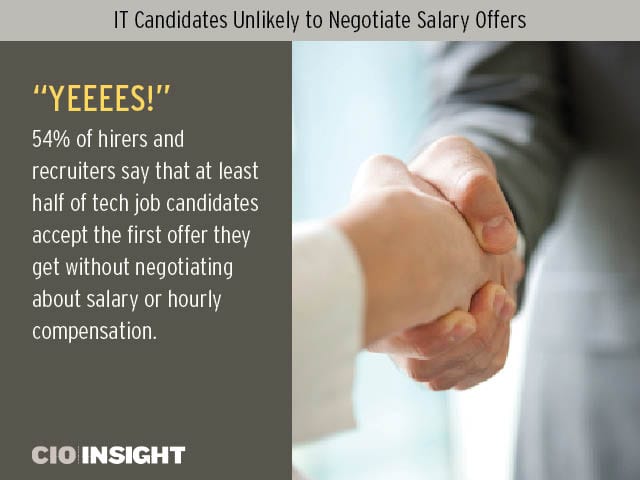
Not everyone negotiates . . .
In the article, IACCM’s Tim Cummins made reference to a 2010 Commitment Matters blog post regarding “the ‘conspiracy’ that leads executives on both sides of the table to ‘lie’ to their trading partners and to create a combined version of ‘the truth’ that leads to mutual delusion over what they can achieve, by when and for how much.”
Reading these words I now understand why it seems that anyone and everyone is offering everything from books to seminars on how to become a “better” negotiator.
This started me thinking . . . what role does your personal brand play in terms of the negotiation process? Does your track record or reputation have an impact on how you negotiate and the likely outcome?
In Part 2 of today’s post I will examine this question more closely.
In the meantime, what do you think? Can, or alternatively has, your brand played a role in a negotiation in which you were directly involved?
30